




Why Some People Are Circles and Others Are Lines?

There was a time in Meera’s life when she believed relationships stayed the way they began. Friends remained friends forever. Colleagues stayed in touch long after jobs changed. People who mattered would naturally remain part of her everyday life. That was the understanding most of us grow up with. We assume that relationships, once formed, continue in the same shape. But somewhere in her late thirties, Meera began noticing something she had never paid attention to before.
Not everyone stays the same distance from us.
Some people move through our lives like a straight line, entering, touching a moment, and continuing on their way.
And some remain like a circle, constant, surrounding parts of our lives in quiet, steady ways.
At first, she thought the difference had something to do with effort. Later she realized it had more to do with timing, life stages, and the roles people play in our lives.
The Friend Who Was Always There
Asha had known Meera since college. They were not the kind of friends who spoke every day. Months sometimes passed without long conversations. Life had moved both of them in different directions, marriages, children, careers, responsibilities. But whenever something important happened, Asha was there.
When Meera’s first child was born, Asha showed up at the hospital with homemade food because she knew hospital meals would feel impersonal. When Meera’s mother fell sick years later, Asha was the person who called without asking for updates, simply checking if she had eaten that day. Their friendship didn’t rely on constant communication.
It relied on presence when it mattered. Some relationships stay like that, steady, reliable, quietly supportive. They move with your life instead of disappearing from it.
Those are the circles.
The Colleague Who Shared a Season
Then there was Rahul. For three years, they worked closely on the same project. Long meetings, endless deadlines, occasional arguments over strategy, and the kind of professional partnership that made difficult work manageable. They understood each other’s working style almost instinctively. They celebrated small victories together, successful presentations, completed campaigns, late-night problem solving

Passing Connections
The Constant Ones
When Rahul moved to another company, they promised to stay in touch. For a while they did.
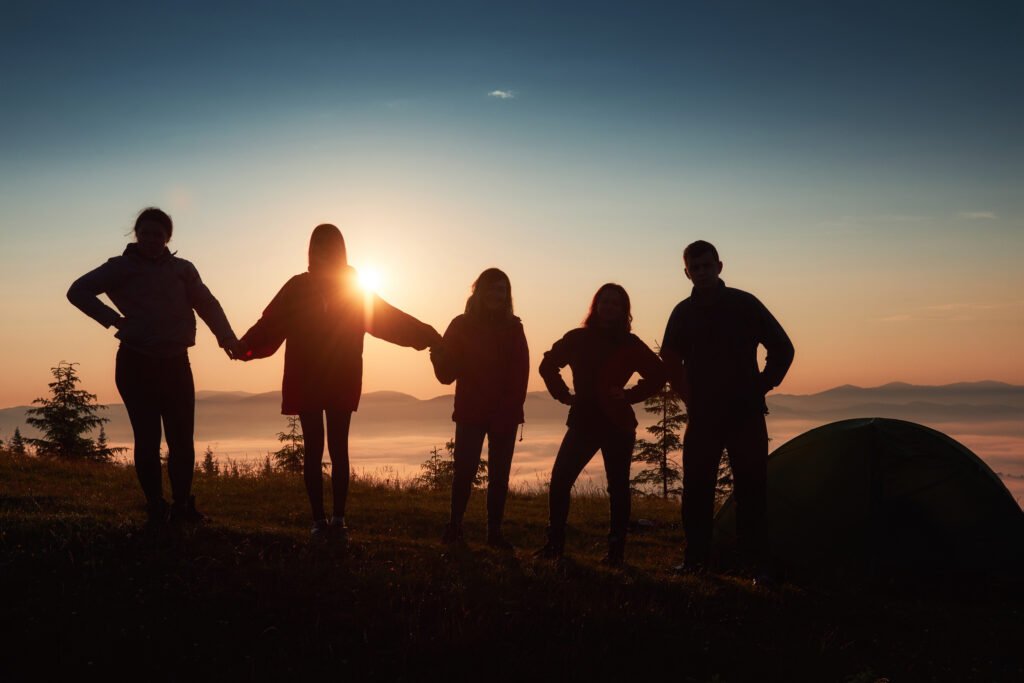
Some people stay long enough to become part of our circle, while others pass through our lives like lines — brief but meaningful.
Then gradually, the calls reduced. Messages became occasional. Updates about life became brief. There was no conflict. No falling out. Just distance created by different routines and priorities. Looking back, Meera didn’t feel sadness about it. Some relationships are meant for a specific chapter. Rahul had been important during that phase of her career. But once the context changed, the connection naturally loosened.
Some people pass through our lives like that. Those are the lines.
The Neighbour Who Became Family
There was also Mrs. Nair, the elderly neighbour who had lived next door for nearly fifteen years. In the beginning, their relationship had been simple, occasional greetings, exchanging festival sweets, small conversations in the corridor.
But over time, familiarity grew into something deeper. Mrs. Nair kept an extra set of house keys for emergencies. Meera’s children would stop by her apartment after school sometimes, where they were always offered biscuits and stories about how the neighbourhood used to look twenty years earlier.
When Mrs. Nair’s husband passed away, Meera found herself sitting beside her during the quiet days that followed, listening more than speaking. Their relationship had not started as something significant. It had simply grown over time. Circles often form this way, gradually, through everyday interactions rather than dramatic moments.
The School Friend Who Drifted Away
Then there were friendships that once felt permanent. Nisha had been Meera’s closest friend in school. They shared notebooks, secrets, dreams about the future. During those years it felt impossible to imagine their lives unfolding separately. But adulthood took them into different directions. Different cities, different priorities, different ways of understanding life.
When they occasionally reconnected years later, the affection was still there. But the closeness had faded into something quieter. Neither of them had done anything wrong.
They had simply grown into different versions of themselves. Sometimes lines begin as circles but slowly change shape over time.
Why This Happens
OFor a long time, Meera wondered whether stronger effort could keep every relationship intact. But over the years she understood something important. Relationships do not remain constant simply because we want them to.
People enter our lives for different reasons. Some walk beside us for decades because our lives keep intersecting. Others cross our path briefly but leave an impact during the time they are there.
Both kinds of relationships have value. Lines are not lesser than circles.
A teacher who influenced you for one year, a colleague who helped you through a difficult project, a friend who supported you during a challenging phase — they may not remain forever, but their presence still mattered.
Understanding the Difference
The mistake we often make is expecting every relationship to become a circle. We expect people to remain the same distance from us even when life changes around them. But relationships move with circumstances. Careers shift. Families grow. Responsibilities multiply. Emotional priorities change. Some connections naturally adjust to these changes and remain steady. Others were only meant to accompany us for a specific stretch of the journey.
Recognizing this difference often brings relief. Not every drifting relationship is a failure. Sometimes it is simply the natural shape of life.
Learning to Appreciate Both
Over time, Meera stopped measuring relationships by how long they lasted. Instead, she began appreciating what each person brought during the time they were present. Circles gave her continuity, people who understood her history and remained part of her evolving life.
Lines brought perspective, individuals who entered at the right moment, shared something meaningful, and then continued on their own path. Both kinds of relationships shaped who she became.
The Shape of a Life
If you could draw the map of a life, it would not look like a single path. It would look like intersecting lines and overlapping circles. People entering. People staying. People leaving quietly without conflict. And somewhere in the middle of all these shapes, a life continues to unfold. Not everyone is meant to remain forever. But every relationship leaves a mark on the map.
About The Author