




Loving Beyond Borders: The Quiet Sacrifice of a Husband & a Father
-
Ramya Harman
- January 20, 2026

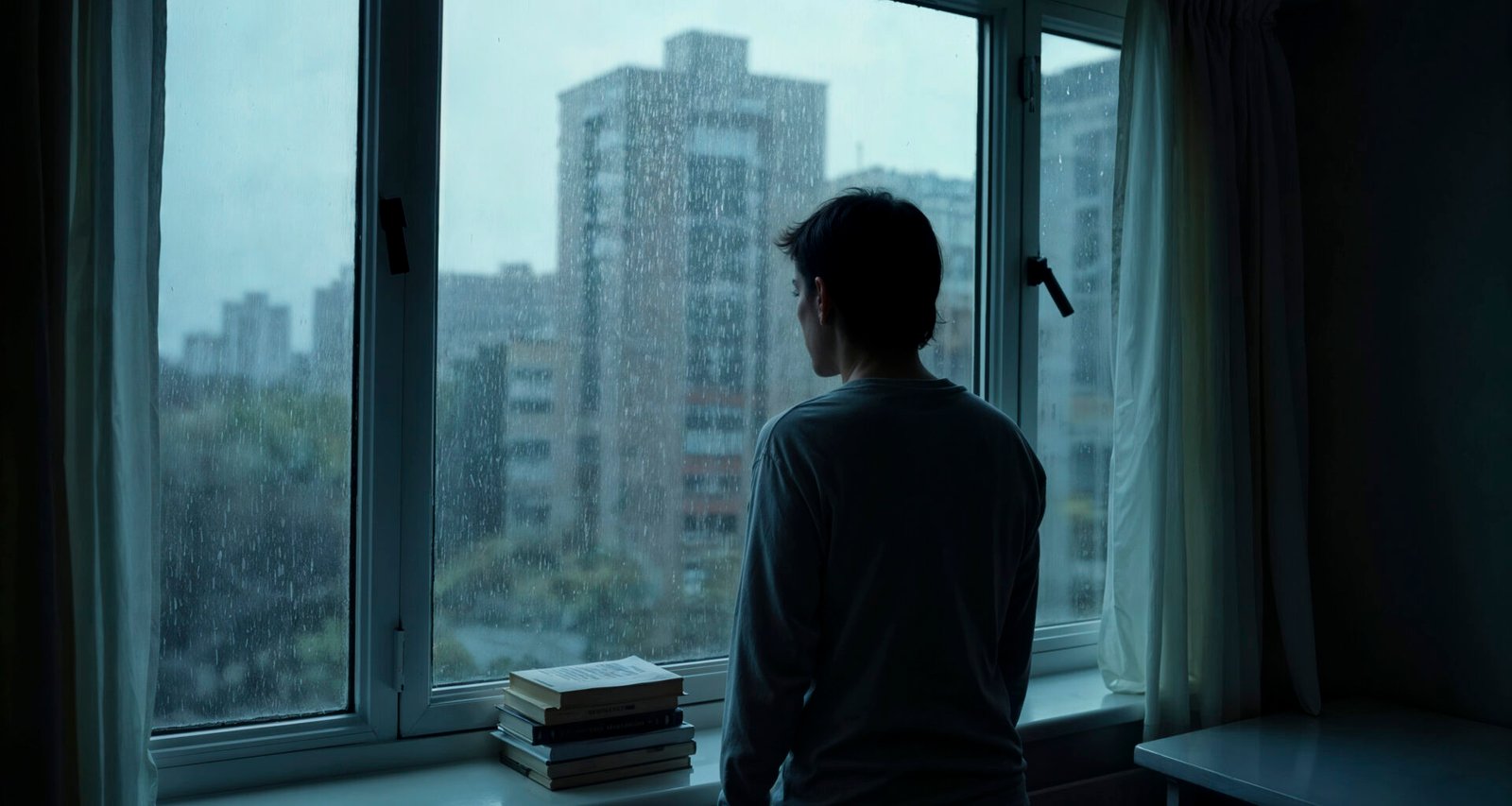
When people talk about family sacrifice, the stories usually center around mothers. The invisible labor of women. The emotional weight they carry. The daily negotiations of care. And while these narratives are deeply real, there is another story that often remains unspoken , the story of men who hold families together quietly, without announcement, across distance and pressure.
This is a story about one such man.
Not heroic.
Not dramatic.
Just real.
Raghav lived in a city far from where his family called home. His job demanded travel, late nights, unpredictable schedules, and relentless responsibility. On paper, he was “providing.” That word alone seemed to summarize everything he did. But what it didn’t capture was the emotional cost of being physically absent while mentally always present.
His wife managed the home. The children grew in front of her eyes. First words, school projects, small illnesses, forgotten homework, late-night questions. She carried the visible weight of parenting. But behind every decision, every crisis, every moment of doubt, there was a voice on the other end of the phone. Raghav listening. Raghav thinking. Raghav worrying quietly.
He never called it sacrifice. He called it responsibility.
Most days began before sunrise. Messages from home waited on his phone. A question about school fees. A picture of a drawing. A complaint about a stomach ache. He responded to each one before his workday began. And once his meetings started, he switched roles , from father to professional, from husband to decision-maker, from caregiver-at-distance to problem-solver-in-person.
This is what modern marriage often looks like. Not two people sharing the same space, but two people sharing the same weight , differently.
In the evenings, when the children were asleep, his wife would finally sit down. Sometimes she was tired. Sometimes frustrated. Sometimes she needed to vent. Raghav listened. Even when he had nothing left in him. Even when he wished he could be there physically to take over, to give her rest. But instead, he gave what he could , attention, reassurance, steady presence through a screen.
Distance in relationships is not only geographic. It is emotional, psychological, temporal. Raghav lived in all three.
There were moments he missed. School performances. Birthday mornings. Family gatherings. Casual dinners. The everyday moments that form the texture of family life. Each missed event left a quiet ache. But he never spoke of it. Because acknowledging it would mean facing the full cost of his choice , a cost he believed was necessary.
This is the unseen emotional labor of many husbands and fathers. Not always expressed. Not often recognized. But deeply felt.
People would tell him, “You’re doing this for your family.” And he nodded. But what they didn’t see was that providing was not just financial. It was emotional steadiness. It was being the anchor during uncertainty. It was carrying the fear of failure alone so his family could feel secure.
Men are rarely taught how to express this weight. They are taught to hold it silently. To solve. To stabilize. To move forward. Vulnerability is not expected. Recognition is rare. And so, many husbands live love through endurance rather than expression.
Raghav’s children grew up seeing him through weekend visits and video calls. He knew their favorite stories. Their fears. Their friends’ names. He learned how to parent through screens and short visits. It was imperfect. But it was real.
His wife sometimes wished he were home more. He sometimes wished he could step away from work without risking everything he had built. Both held their desires quietly, choosing partnership over personal ease.
This is what loving beyond borders looks like. Not cinematic. Not grand. But steady.
A marriage that survives distance does not survive because love is constant. It survives because commitment is constant , even when emotions fluctuate, energy drains, and doubts creep in.
There were arguments. Misunderstandings. Exhaustion on both sides. Moments when both wondered if this life was sustainable. But each time, they recalibrated. Adjusted expectations. Relearned each other. Redefined closeness.
Modern marriages require this elasticity. The ability to stretch without breaking. To hold connection across changing seasons. To understand that sacrifice is not always symmetrical , but it is shared.
When Raghav finally returned home for longer stretches, the house felt familiar yet unfamiliar. The children were taller. The routines had evolved without him. He had to find his place again. Presence after absence is its own transition. He learned to step in without overtaking. To belong without controlling. To be father not just in responsibility, but in physical rhythm.
This is another truth rarely spoken: men also struggle with identity in family systems. When they are away, they feel guilt. When they return, they feel out of sync. They live in the in-between of being essential yet peripheral.
But slowly, balance formed. Not perfect. But functional. Real.
The story of husbands and fathers like Raghav is not about glorifying sacrifice. It is about naming it. Recognizing that emotional labor is not exclusive to women. It is simply expressed differently. Carried differently. Socialized differently.
Strong families are not built only on nurturing. They are built on steadiness. On people who keep showing up , physically or emotionally , even when it’s inconvenient.

Carrying It Alone

Still Showing Up
Some love cooks meals and wipes tears.
Some love pays bills and holds space.
Some love sits beside you.
Some love watches from far away and stays connected anyway.
Some love is loud. Some love holds a family together quietly, every day
All of it is love
Loving beyond borders means understanding that family success is rarely the result of one person’s effort. It is the sum of quiet sacrifices made by many , some visible, some hidden.
And maybe the greatest gift a husband and father can give is not perfection.
It is persistence.