




What Happens to Mothers When Kids Leave Home?
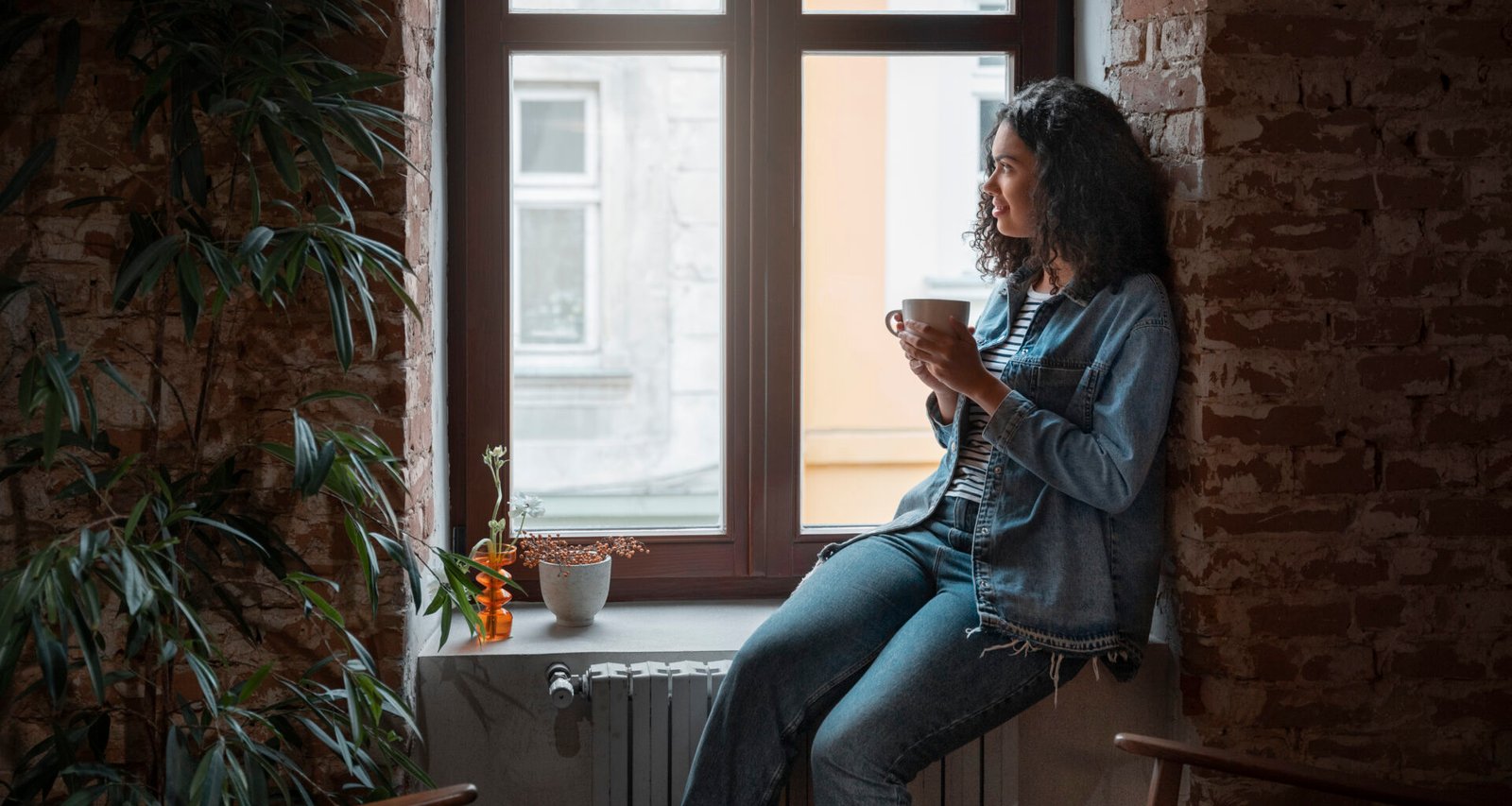
Betty always knew this day would come.
She just didn’t know how it would feel.
For twenty-three years, her house had been full of movement, school bags at the door, unfinished meals on the table, laundry that never quite ended, doors opening and closing, laughter from rooms she didn’t need to enter to know everything was fine.
She had built her life around this rhythm. Not consciously, not deliberately. It simply happened, one day folding tiny clothes, the next reminding teenagers to switch off lights. Motherhood had quietly expanded until it filled every corner of her identity.
And then, one by one, her sons left.
The first left for university. The second followed two years later, moving cities for work. There were farewell hugs, proud smiles, repeated reassurances that they’d visit soon. Betty did not cry that day. She told herself she was strong. She had raised independent boys. This was success.
It was only later, after the front door closed and the car disappeared, that she realised the house had changed shape.
The silence was not immediate. It arrived slowly. It waited until evening, when dinner needed cooking but fewer plates were required. Until laundry baskets stayed half-empty. Until the television played to a room that didn’t need background noise anymore.
This was the empty nest after children leave home , but no one prepares you for how ordinary moments become reminders.
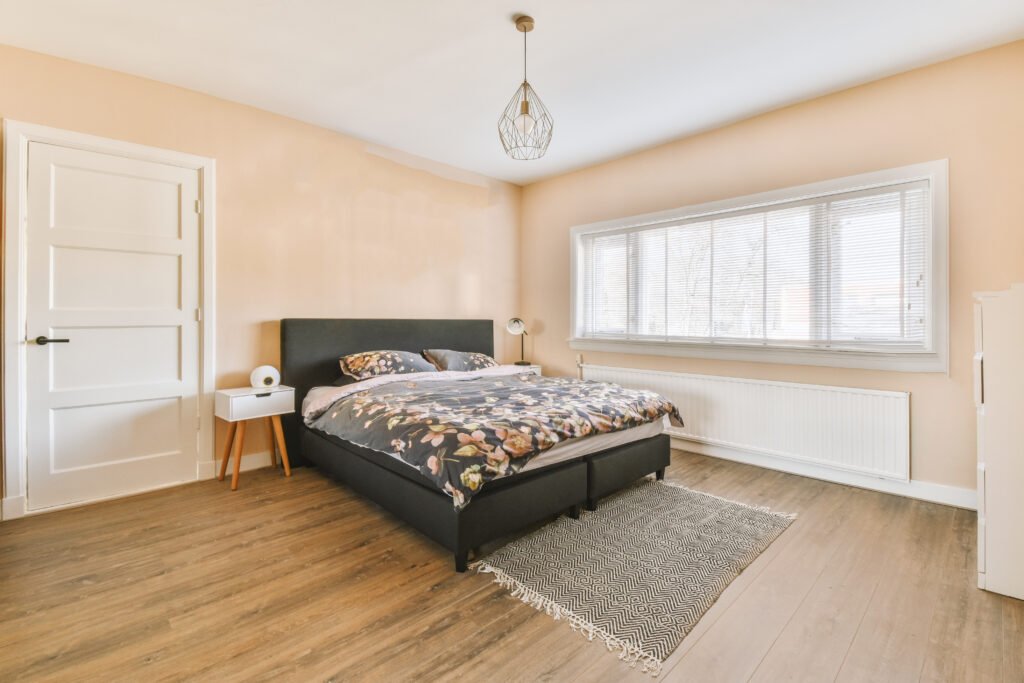
She walked past their rooms. The beds were neatly made. Posters still on walls. Books still on shelves. Everything looked the same. But the energy was gone.
At first, Betty kept herself busy. She cleaned more. Rearranged cupboards that didn’t need rearranging. Took longer routes while shopping. She filled time the way many mothers do , with movement, with purpose, with small tasks that created the illusion of continuity..
Rooms That Remember

Learning to Begin Again
But eventually, stillness caught up.
One afternoon, she sat on the sofa with a cup of tea and realised she had no immediate obligation. No one needed anything from her. No one would call out “Mom” from another room.
She raised them to leave. She just didn’t know how quiet love would become afterward.
She should have felt free.
Instead, she felt untethered.
Motherhood had given her a role that never required explanation. Now, she wasn’t sure who she was outside of it.
This is the part of empty nest syndrome that rarely gets discussed. It’s not just missing children. It’s missing the version of yourself that existed when they needed you constantly.
Betty didn’t resent her sons for leaving. She had raised them to be capable and independent. She wanted their lives to be full. But wanting something for your children and emotionally adjusting to it are two different journeys.
When they called, she answered cheerfully. When they visited, she cooked their favourite meals and pretended the house had always been this quiet. She didn’t want to burden them with her loneliness. After all, this was supposed to be the natural order of life.
Yet, late at night, she sometimes scrolled through old photos. First days of school. Birthday cakes. Family trips. Arguments she once wished would end. Noise she once craved a break from.
Funny how absence reshapes memory.
Life after kids move out forces mothers to confront a truth they never needed to face before , that motherhood is not the only identity they have, but it may have been the loudest one.
Betty began noticing other women her age doing the same quiet recalibration. Some joined hobby classes. Some threw themselves into work. Some planned travel. Some sat with the discomfort until it softened.
There was no single way to cope with empty nest emotions. There was only learning to live inside a new rhythm.
One morning, Betty decided not to avoid her sons’ rooms anymore. She opened the windows, let light in, changed the bedsheets, cleared a drawer. Not to erase them, but to make space for what came next.
She didn’t rush. She didn’t force transformation. She simply allowed the house to reflect the present, not the past.
Slowly, she started doing things for herself without guilt. Reading in the afternoon. Meeting friends without checking the time. Cooking meals that suited her, not growing appetites. Sleeping without listening for doors opening late at night.
She wasn’t replacing motherhood. She was rediscovering herself beside it.
The children hadn’t left her life. They had simply moved to a different distance. And love, she learned, does not require physical presence to remain real.
One weekend, her sons came home. The house filled again with laughter, teasing, familiar chaos. But this time, when they left, the quiet didn’t feel as sharp.
She had begun making peace with it.
Empty nest after children leave home is not an ending. It is a transition , emotional, physical, deeply personal. Some mothers struggle silently. Some adapt quickly. Most move back and forth between pride and ache.
Betty’s story is not extraordinary. It is happening in thousands of homes every day. Women who spent decades caring, planning, holding families together, now learning how to hold themselves again.
The house got quiet.
But life didn’t stop.
It simply asked her to begin again , gently, imperfectly, honestly.
About The Author